Read This Before It’s Too Late: 2026 Tech Predictions That Could Wipe Out Most Startups
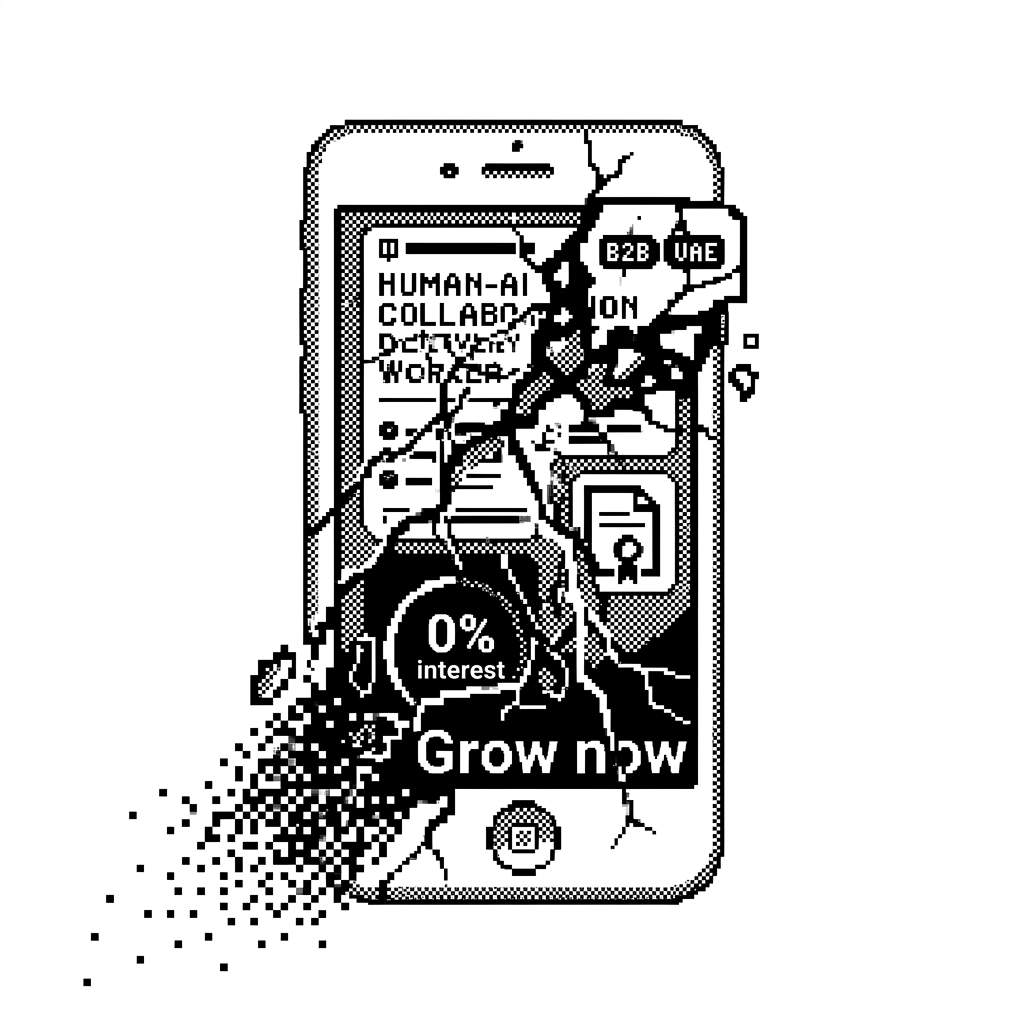
1/🧵 Here’s my prediction for the nearest future: at the next Apple conference, they’ll unveil an AI product that lets anyone create mini apps and widgets for iPhone.
2/ Not “AI inside Xcode”. I mean a true no-code or low-code builder baked into the ecosystem, where you assemble a micro-app from templates.
3/ And the moment that happens, part two begins: developer account bans and much harsher pressure across the App Store.
4/ Why? Because the store will get flooded with junk: clones, scams, endless copy-paste apps, fake subscriptions, spammy widgets. Apple will protect the storefront.
5/ At the same time, Apple will push the “approved path”: their generator, their rules, their commission, their analytics.
6/ Then it becomes a chain reaction across platforms: API access will get way harder.
7/ Things that are possible today via integrations (posting, automation, analytics, bulk actions) will be restricted, rate-limited, or moved behind special approvals.
8/ New standard will be: “If you want the API, prove why.” Longer reviews. More rejections. More KYC. More limitations on automation.
9/ And this won’t be just Apple. It’s a platform-wide shift: they don’t want to be infrastructure for other people’s automation businesses anymore.
10/ All social networks will introduce stronger AI-content filters and “AI spam” detection. Not just for quality, but for control.
11/ Every platform will push its own built-in ad/post generator directly inside the app.
12/ And the rule will be simple: distribution goes to “their” tools.
13/ External AI-made content (made with third-party generators) will get cut: fewer impressions, weaker recommendations, more checks, more shadow-limiting.
14/ Because platforms want two things: (1) keep creators inside the app, (2) own the entire loop: create → launch → pay, without intermediaries.
15/ Result for B2C software: brutal democratization.
16/ If anyone can build a mini app or widget in 30 minutes, the value of hundreds of B2C apps drops to zero.
17/ That triggers a wave of bankruptcies across software companies, and maybe even mobile gaming studios, especially those living off performance marketing and thin margins.
18/ Because acquisition costs rise, organic reach becomes platform-controlled, and “product differentiation” becomes easy to copy.
19/ What happens to web and PC software? Honestly, I’m not sure. Different distribution, fewer single gatekeepers.
20/ But pressure will still grow: browsers, extensions, payments, data access, tracking, anti-bot, anti-scraping.
21/ B2B will always exist. But it’s going to get painfully hard.
22/ Companies will start building more solutions in-house because it’s simply cheaper with AI + automation.
23/ Especially for “simple” tools: reporting, integrations, lightweight CRM, internal bots, content pipelines.
24/ The B2B winners will be the ones who deliver: (1) hard infrastructure, (2) compliance and security, (3) deep integrations, (4) guaranteed outcomes, not just “a tool”.
25/ And yes: for the next couple of years, the real action will be in hardware.
26/ Because software gets commoditized, but hardware creates real moats: supply chain, industrial design, sensors, manufacturing, UX, unique data.
27/ The winners will connect: hardware + AI + distribution. Real products, not “another app”.
28/ If you’re building now, think how you survive in a world where platforms close up, APIs shrink, and AI commoditizes B2C.
29/ My conclusion: fewer wrappers, more real product. Fewer dependencies on platforms. More owned channels, owned data, and yes, hardware.